Principles are universal. Application is personal.
Training recommendations only matter when they fit your experience, anatomy, schedule, preferences and ability to recover.
About Erik
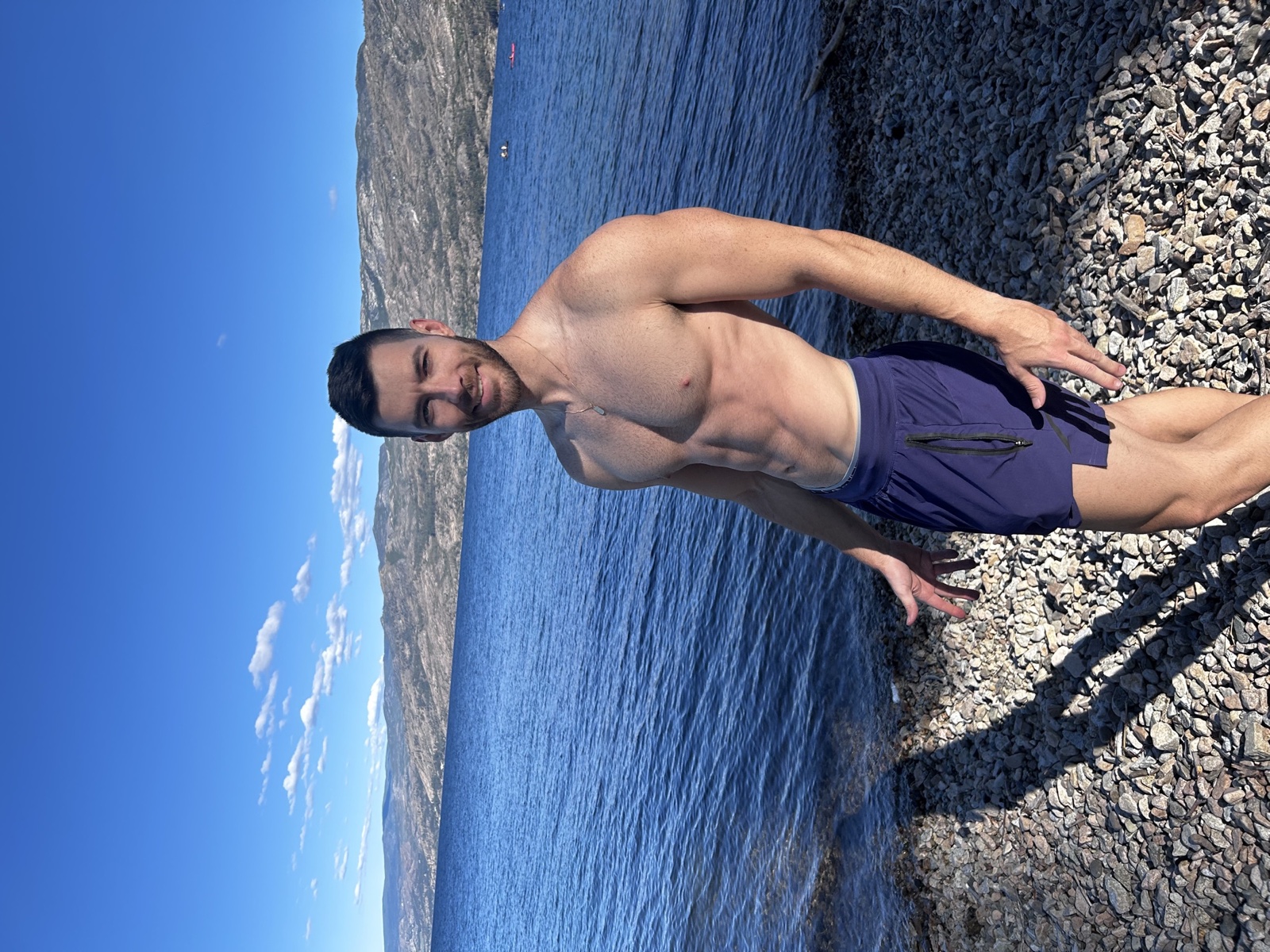
Erik combines medical education with a long personal history in natural bodybuilding. It began with a skinny teenager learning through trial and research, and developed into a disciplined return to training.
The backstory
Erik was always skinny as a kid and wanted to look bigger, feel stronger and understand how physiques were actually built. He started training hard at 15, but effort alone was not enough. He was under-eating, progressing inconsistently and missing the structure needed to turn work into results.
That frustration became a reason to study. From a young age, he read deeply about nutrition, exercise selection and progression, then implemented those ideas and learned how proper fueling and a measurable plan could change the outcome. Medical school and residency later demanded several years away from consistent training.
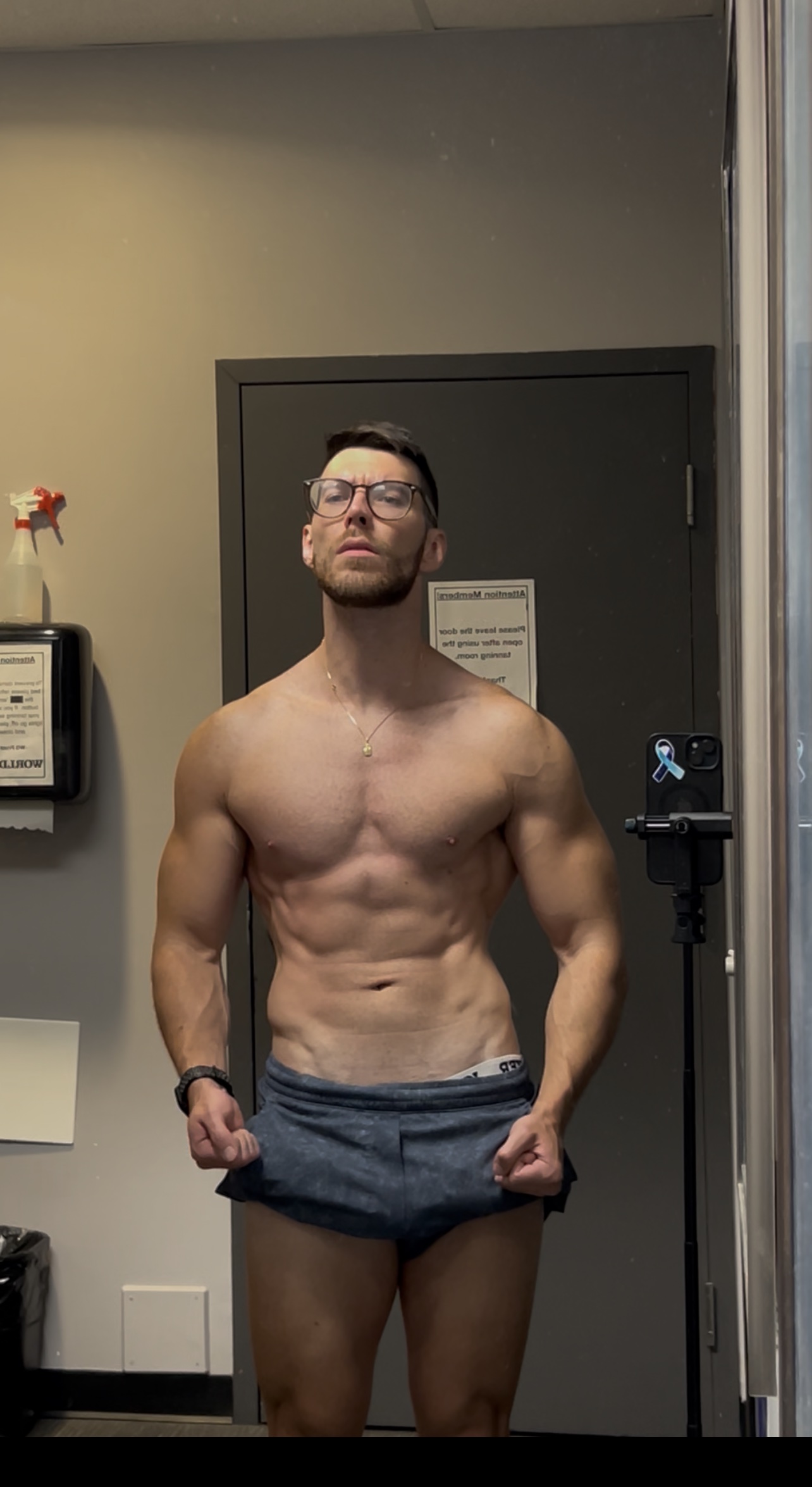
After that break, Erik has been back and consistent for nearly three years. He continues to read scientific literature and connect it with medical knowledge of muscle physiology, anatomy and the realities of natural bodybuilding. Hypertrophy MD turns that perspective into thoughtful training, practical nutrition and honest accountability, without presenting coaching as medical care.
Credentials & context
Natural BodybuilderLong-term drug-free training
Doctor of MedicineMD
15 Years ExperienceTraining, research and application
Evidence-Based + Old-School BodybuildingHybrid coaching approach
NSCA CSCSIn progress
Why the CSCS matters
Personal training credentials vary widely in prerequisites, depth and assessment quality. A trained-looking physique can reflect hard work and experience, but appearance alone does not establish that someone can evaluate evidence, design an appropriate program or coach another person safely.
The NSCA Certified Strength and Conditioning Specialist is an NCCA-accredited credential that requires a bachelor's degree and current CPR/AED certification. Its two-part examination covers scientific foundations such as anatomy, physiology, biomechanics and nutrition, plus practical areas including exercise technique, program design and implementation.
Erik's CSCS is currently in progress. No certification replaces judgment, continuing education or real coaching experience, but the CSCS represents a meaningful standard in an industry where misinformation remains common.
Fitness coaching is educational and does not constitute individualized medical assessment, diagnosis or treatment.
Coaching philosophy
Training recommendations only matter when they fit your experience, anatomy, schedule, preferences and ability to recover.
Natural muscle gain and sustainable fat loss take time. The plan prioritizes repeatable behaviours over dramatic short-term tactics.
Progress tracking is used to support decisions, not to create busywork, anxiety or false precision.
Start here
Start with a free, no-pressure conversation about your goals and the coaching format that fits.